
We have 2 events coming up
The Environment as the Third Teacher
Creating Beautiful, Intentional, Dynamic, and Responsive Learning Environments
Date: November 19, 2026
Time: 9:00 AM – 3:00 PM
Location: Branches Atelier School, Culver City, California
Cost: $125 per participant — includes lunch and the Branches Atelier Environment Observation & Reflection Guide.
Presented by:
- Patricia Hunter McGrath, Founder & Executive Director, Branches Atelier School; Atelierista and Pedagogical Consultant
- Christina Bianchi, Pedagogista and Educational Consultant
About the Educator Tour
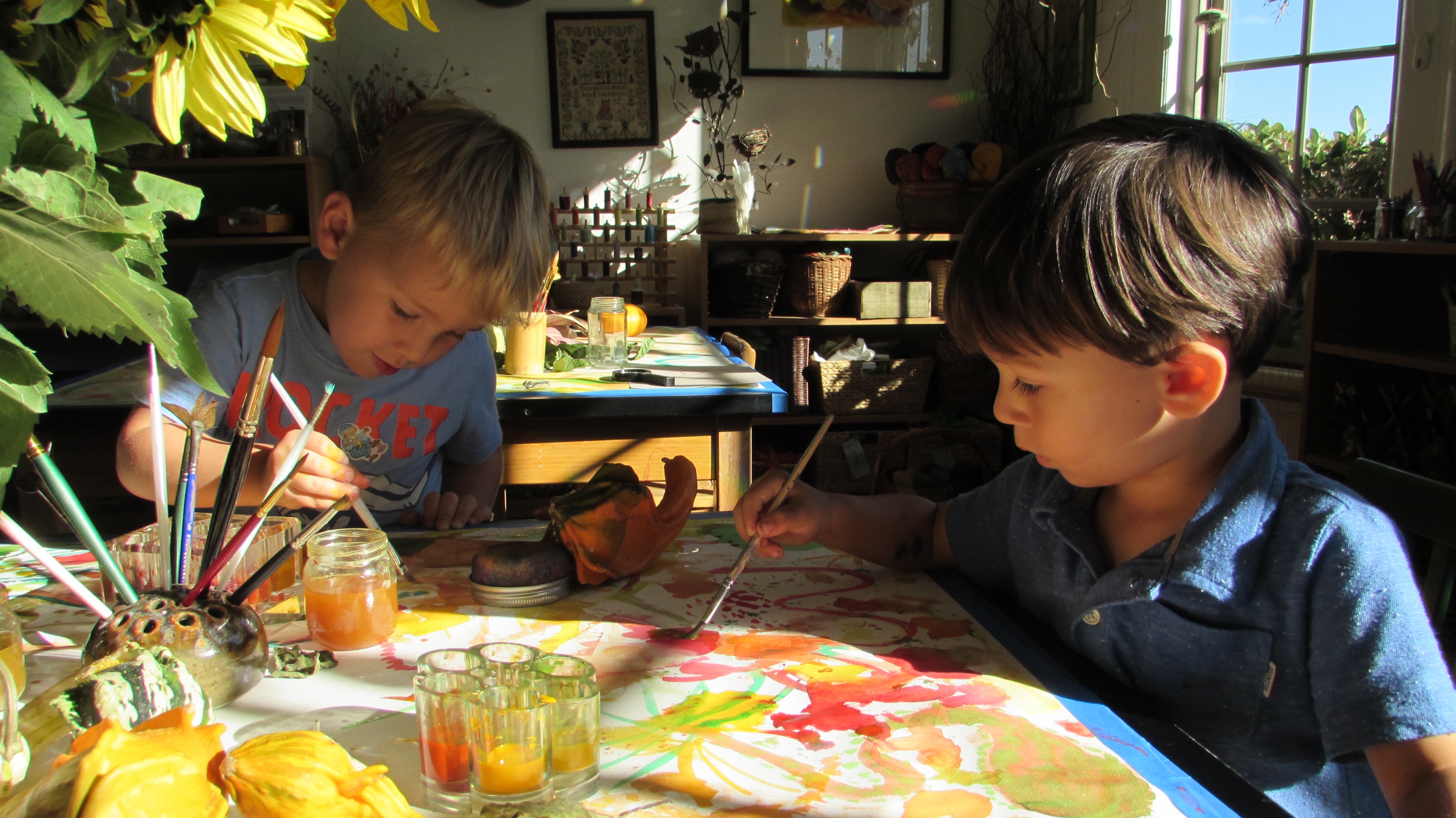
Join us for an inspiring day of observation, dialogue, and reflection as we explore the environment as the third teacher.
Through guided visits to our indoor and outdoor learning environments, participants will consider how thoughtful design, beauty, intentional organization, and responsive spaces communicate our image of the child and support independence, creativity, relationships, and belonging.
Each participant will receive the Branches Atelier Environment Observation & Reflection Guide, a thoughtfully designed resource featuring guiding questions, opportunities for observation, generous spaces for written reflections and sketches, and prompts to help educators bring new ideas and intentions back to their own schools.
The day includes guided classroom observations, exploration of our outdoor environments, garden atelier,s and indoor atelier spaces along with pedagogical conversations, opportunities for reflection, and lunch.
Included with Registration
- Guided indoor and outdoor learning environment tours
- Classroom observations and pedagogical discussions
- Branches Atelier Environment Observation & Reflection Guide
- Opportunities for individual and group reflection
- Lunch
Registration: $125 per participant, including lunch and the reflection guide.
Space is limited !
https://events.humanitix.com/branches-atelier-educator-tour-thursday-november-19th-9am-to-3pm-2026
A Deeper Dive into the World of Stitch, Layers, Transformation, and Photography
Branches Atelier | In-Person, Hands On Evening Workshop
Wednesday, December 2 6:00 – 9:00 pm
Snacks and Fiber Materials Provided
$80 per person
What happens when fibers become more than a material to stitch? What stories emerge when we layer, unravel, connect, transform, and use media in the fibers of our explorations?
In this immersive, hands-on workshop, educators are invited to deepen their understanding of fibers and stitch as languages of expression, thinking, and communication. Moving beyond the familiar functions of thread, fabric, and needle, we will investigate how fibers build up layers that can invite children and adults to explore relationships, build meaning, and make their thinking visible.
Through experimentation with stitching, layering, joining, and the transformation of textile surfaces, we will explore how materials hold possibilities for unexpected discoveries. How might a single thread become a line, a pathway, a connection, or a story? How might transparent, translucent, and opaque layers reveal and conceal? What new meanings emerge when we incorporate photographs that might be, enlarged, cropped, projected, or revisited from another perspective? How might natural materials be incorporated to work with fibers? How might stitch be used on paper?
Participants will experiment with translating textile investigations, creating dialogues between physical materials and their other representations.
Together, we will consider how these processes can support long-term inquiries in which children return to ideas, revisit previous discoveries, and develop increasingly complex ways to communicate their thinking.
Grounded in the 100 Languages of Children, this workshop asks us to consider how fibers, stitch, and layered media might speak to one another—opening new possibilities for children’s expression and for our own pedagogical imagination.
Participants will leave with practical material experiments, photographic explorations, and ideas for creating richer environments for inquiry, documentation, and cross-material dialogue in their own learning communities.


